Checking More Than One Box
The changing definitions of race

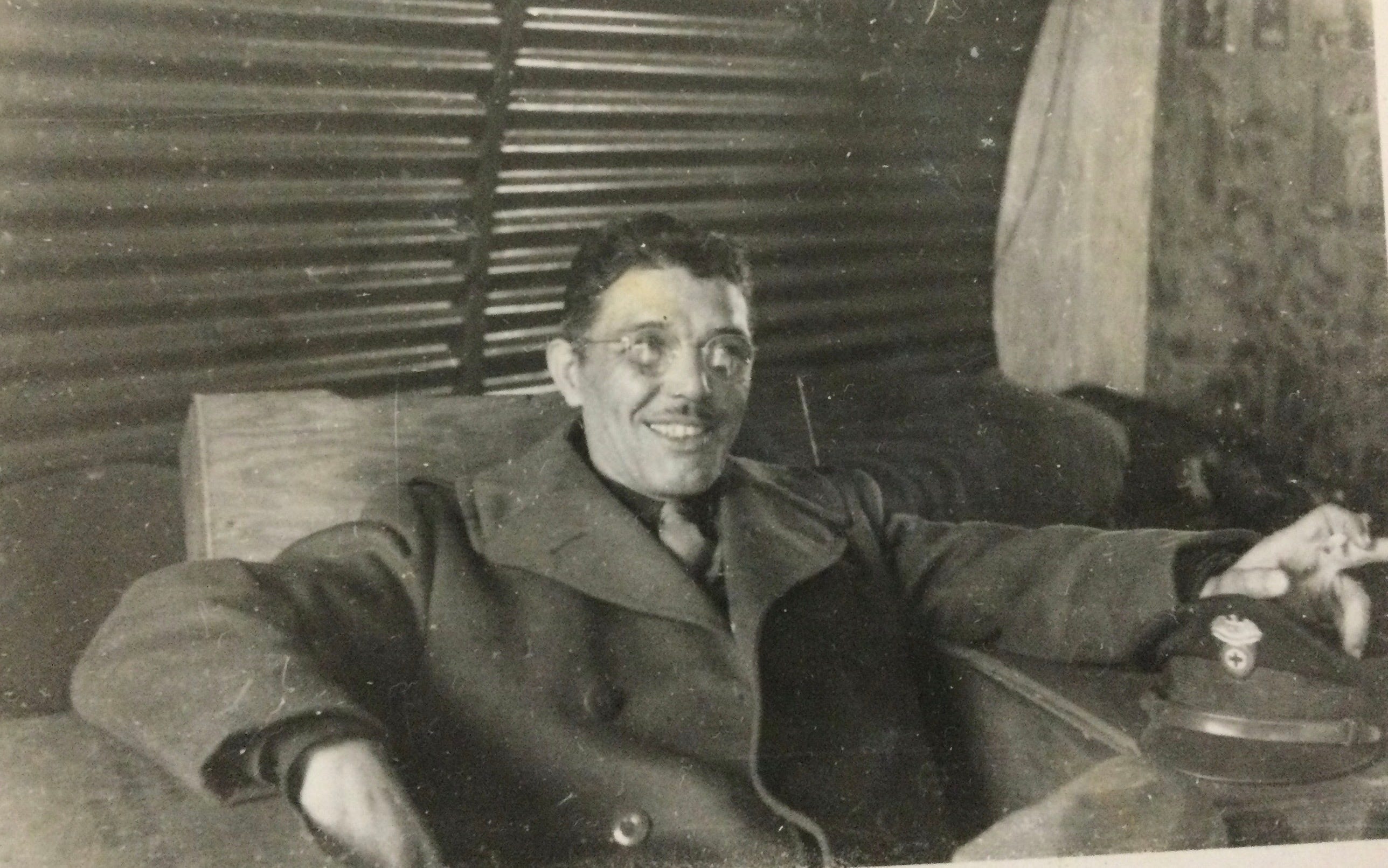
My grandfather and I are a very similar racial mix, but the times and social attitudes led to us being viewed and treated very differently. People like to put things into categories including other people. We’ve invented racial categories based on features and cultures. Biologically we are all one race, human, but that’s hasn’t stopped us. That starts to fall apart when people don’t fit neatly into those categories. My grandfather and I are both approximately 1/4 black and 3/4 white. I’ve been able to do a DNA test to confirm this for myself, but my grandfather was gone before that was an option for him. So based on my father’s percentages and his parents’ appearances I have deduced he was a similar mix as me. We both appear to be white, but we lived in different times with different rules. He was born just after the turn of the 20th century in Maryland, during the time of Jim Crow laws. I was born in New Jersey in the 1960’s, during the height of the civil rights movement.
Based on the laws and culture of the time, my grandfather was negro, or black as we’d say today. He went to a black college, served in WWII under segregation, and lived his life as a black man. His ancestry was obvious looking at his family. His mother looked white, but not his father or his siblings. This happens in mixed families, or any family, siblings don’t always look the same. His brothers took after their father and he took after his mother. This was during the time of the “one drop rule” saying that any black ancestry at all made you black. It was meant to maintain the racial purity of white people. Maryland was one of the few southern states that never officially made this law and instead relied on the older system of blood quantum, but the result was the same. And like most other US states there were also laws against interracial marriage.
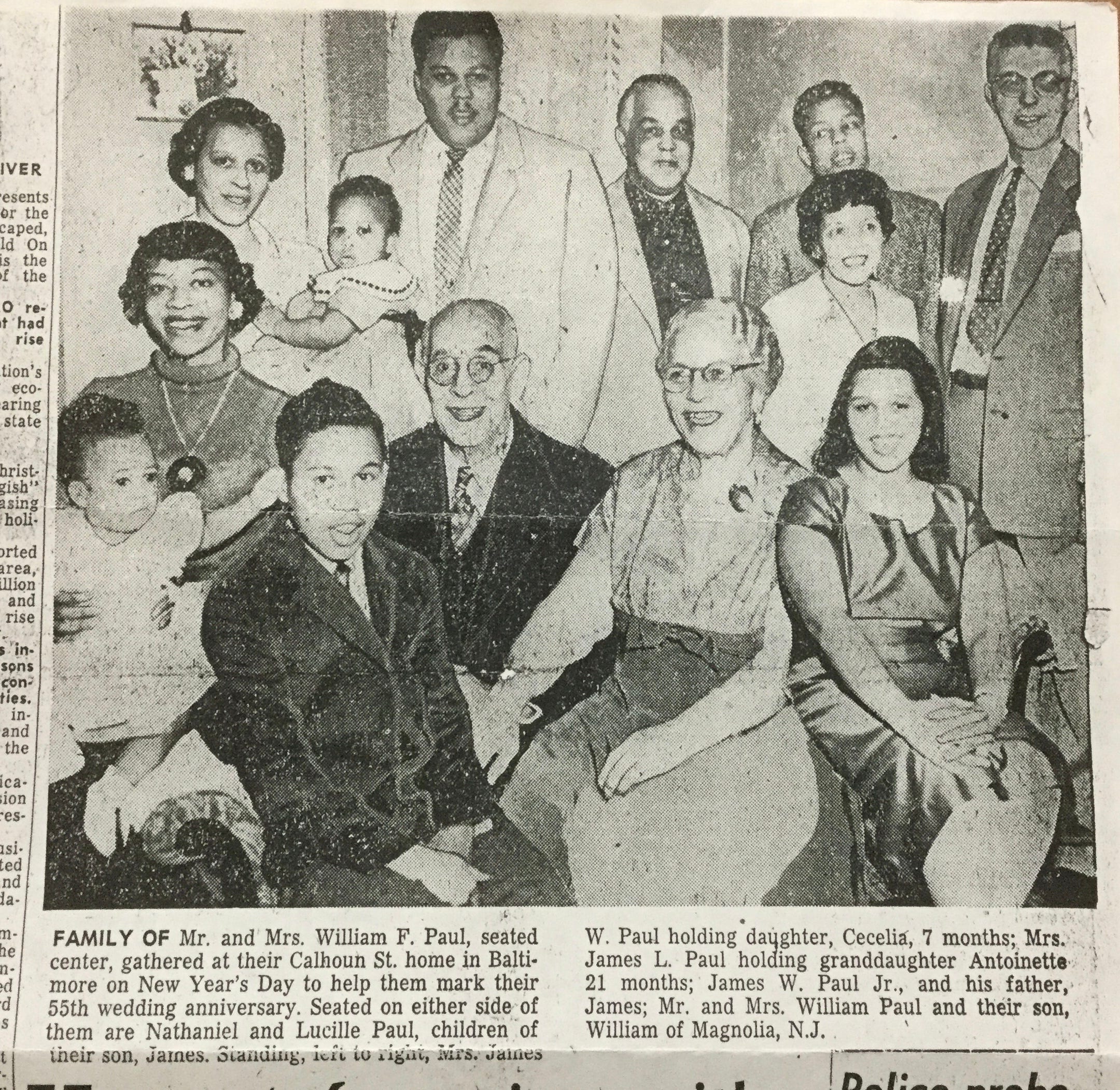
By the time I came along a series of legal rulings was changing things. In 1967 in the US Supreme Court ruling of Loving v. Virginia, the bans on interracial marriage were struck down which also led to the end of the one drop rule. Although the idea still persists in our culture. Often when we see someone who has any visible trace of black ancestry we still call them black, or “light skinned black”. As time goes on though accepting people as “mixed” is becoming more common. When I was younger on forms that asked for racial information it used to say “check one box only”. Now checking more than one box is allowed or there a mixed option. My father is visibly mixed black and white, and my mother is white. So looking at my family it would also be obvious to people that I’m part black. We started out in a mostly black community, but then after my parents divorced I initially ended up living with my mother in a very white community and spent summers with my dad and his family. So I became white during the school year, and back to being mixed during the summer.
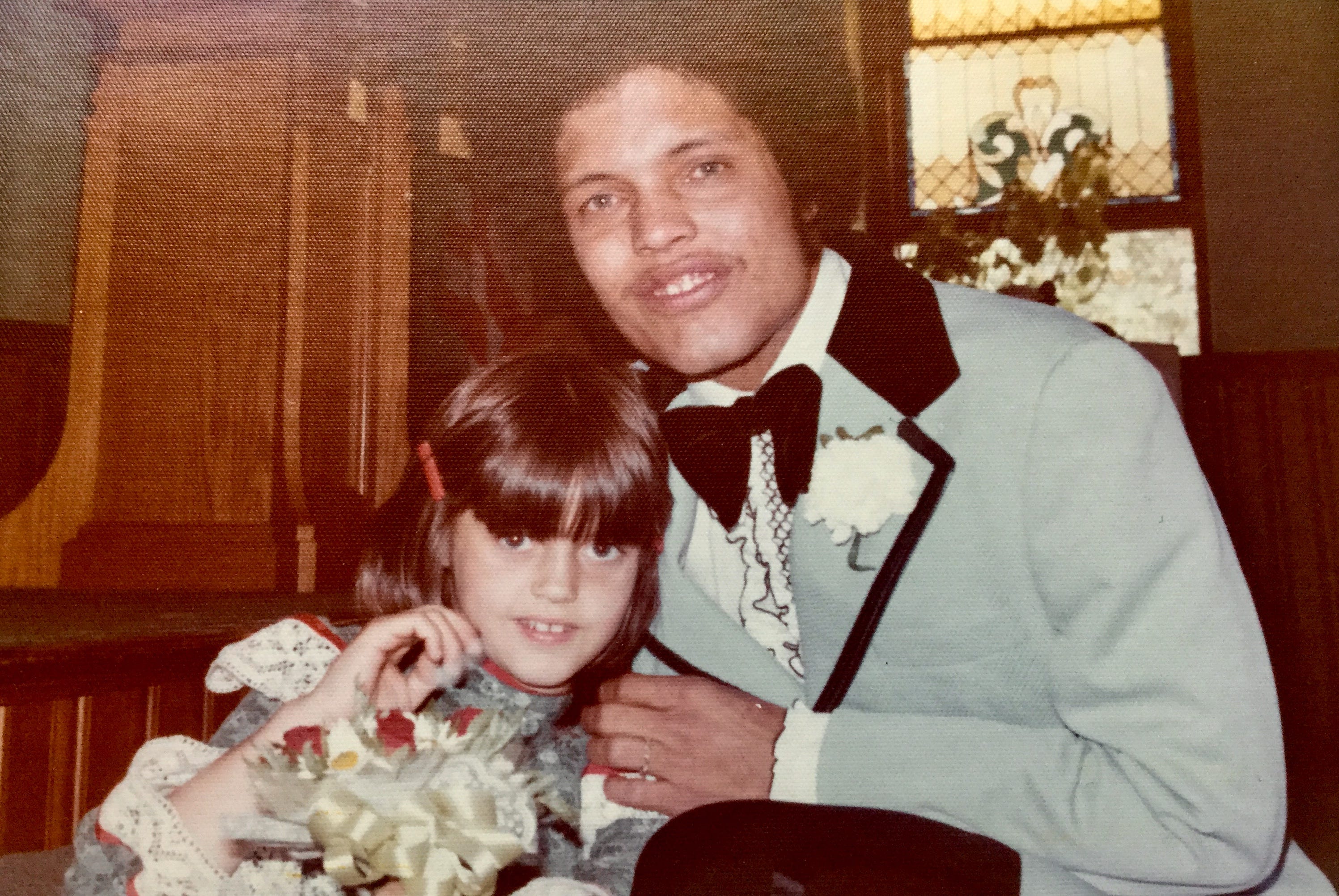
So if I was born when my grandfather was, I would be considered black. This seems ludicrous today because I don’t look black. The term mulatto was also used back then which acknowledged the person was mixed, but you were still considered black as far as the law was concerned. But if you looked white you had a choice, you could try to “pass” as white. I don’t know if my grandfather or his mother ever seriously considered this. I imagine they would have had to leave the area, where no one knew of their ancestry and start over with a new identity. During a time when most people stayed close to where they were born and relied heavily on family this would have been very difficult. I like to think they stuck around as a matter of principle, but I’ll probably never know.
As an example of how frustrating and awkward things could be for my grandfather he used to tell a story of wanting to take a cab to visit friends and family. At the time, because of Jim Crow laws, there were black cab drivers for black people and white cab drivers for white people. Usually a white cab driver would pick him up since he looked white. He’d give them his destination which was a black neighborhood and the cab driver would refuse to go there. He’d try to find a black cab driver, but even if he explained that he was black, they wouldn’t want to take the risk being seen transporting a white passenger.
When living in a white community with my mother I was largely accepted as white. I didn’t have to hide anything about my family history, but without my father there it was usually assumed I was just white. My grandmother made sure I had some pride in my ancestry and I didn’t try to hide anything. I’m pretty sure I was the only little “white” girl in that town with a Harriet Tubman doll. But if I didn’t bring it up, no one knew. I remember in school once it came up and I told some kid that I was part black. He refused to believe me. The next day I brought in a picture of my father and he still refused to believe me. I think people overestimate how much black ancestry shows up in a person’s phenotype. This stems from fears promoted by the white purity movement. They believed that interracial mixing would lead to the loss of whiteness altogether, as if that “one drop” was lurking in the shadows waiting to take over.
The tendency to put things into categories can be a useful way of understanding a complex world. But the real world is full of nuance and we need to have some flexibility in our thinking to account for that.
There are people out there that think I should only call myself white since that’s what I look the most like. My grandfather, a similar mix to me had people insist he couldn’t call himself white. Two different people, genetically similar but placed in different boxes, makes you question those boxes. I think ultimately the choice of how someone identifies is up to them based on the intersection of culture, appearance and DNA. I choose to identify as mixed and ultimately just human.